Peter Wagner: Powerful Insight Into the European Commission Leader and His Global Impact
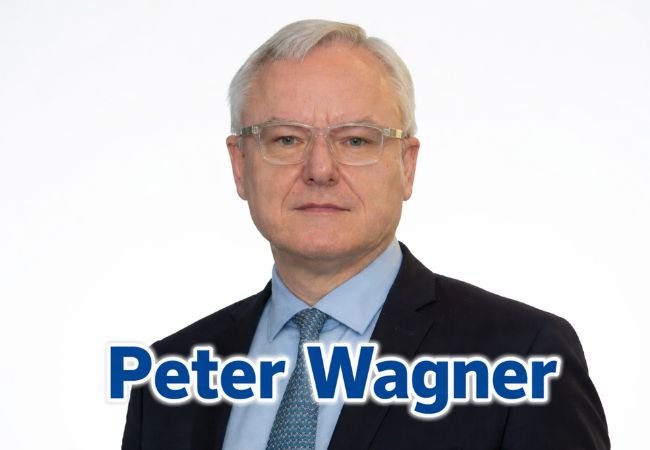
Introduction: Who is Peter Wagner?
When people search for “who is peter wagner”, they are often referring to Peter M. Wagner, a highly experienced German official working within the European Commission. Known for his strategic role in international affairs, Wagner has built a strong reputation in foreign policy implementation, crisis management, and European Union external operations.
This article provides a complete, accurate, and human-written biography of Peter Wagner, covering his career, responsibilities, education, and latest verified updates.
Early Life and Education
Academic Background
Peter Wagner pursued higher education in Germany, where he developed a strong foundation in social sciences. He earned a Ph.D. in:
- Political Science
- History
- Psychology
from the University of Freiburg, one of Germany’s respected academic institutions.
Intellectual Development
His multidisciplinary education played a crucial role in shaping his analytical thinking and understanding of global political systems. This academic background later became essential in his work within European institutions.
Early Career Journey
Research and Journalism
Before entering the European Commission, Wagner worked in:
- Public policy research
- Journalism with German publications
These roles helped him gain:
- Strong communication skills
- Deep understanding of political and economic systems
- Practical exposure to international affairs
This early experience laid the groundwork for his future leadership in EU policymaking.
Career in the European Commission
Joining the European Commission
Peter Wagner joined the European Commission in 1999. Over the years, he steadily rose through the ranks by taking on complex and high-responsibility roles.
Key Positions and Contributions
Leadership Roles Over Time
Wagner has held several important positions, including:
Principal Adviser – Crisis Coordination
- Contributed to internal EU coordination during major crises
- Played a role in managing cross-departmental responses
Head of Support Group for Ukraine
- Led EU efforts supporting reforms and cooperation with Ukraine
- Focused on governance, economic development, and institutional strengthening
Adviser – Task Force for Greece
- Supported EU initiatives during Greece’s financial crisis
- Worked on economic recovery strategies and structural reforms
Industrial Policy Work
- Contributed to policy development in sectors such as:
- Industry
- Manufacturing
- Strategic economic areas
Current Role: Director of Foreign Policy Instruments
What is the FPI?
Peter Wagner currently serves as Director of the Service for Foreign Policy Instruments.
Core Responsibilities
His role focuses on implementing the European Union’s external policies. His responsibilities include:
Crisis Response Management
- Overseeing EU actions in conflict or crisis situations
- Supporting stabilization and recovery programs
Foreign Policy Execution
- Ensuring EU decisions are effectively implemented worldwide
- Managing operational aspects of international cooperation
Security and Stability Initiatives
- Supporting programs related to peace, governance, and resilience
- Working within the framework of EU foreign and security policy
Leadership Style and Influence
Strategic and Operational Expertise
Unlike political leaders, Wagner operates mainly at the implementation level. His strength lies in:
- Turning policy decisions into real-world actions
- Coordinating large-scale international programs
- Managing complex administrative systems
Global Impact
His work influences:
- EU relations with partner countries
- Crisis response effectiveness
- International cooperation efforts
Latest Verified Information (2025–2026)
Current Status
As of the latest available information:
- Peter Wagner continues to serve as Director of the FPI
- He remains actively involved in EU external policy implementation
- He participates in high-level discussions and international forums
No Major Public Role Change
There are no confirmed reports indicating:
- A change in his position
- Retirement or major career transition
This confirms his continued influence within the European Commission.
Why Peter Wagner Matters Today
Role in Global Stability
Wagner plays a behind-the-scenes but critical role in:
- Crisis management
- International cooperation
- Policy execution
Bridge Between Policy and Action
He acts as a key link between:
- EU decision-makers
- Real-world implementation on the ground
This makes his role essential in ensuring that EU strategies produce tangible results.
Related Keyword Focus: Who is Peter Wagner
If you are searching “who is peter wagner”, the answer is clear:
- He is a senior European Commission official
- He specializes in foreign policy and crisis management
- He leads the Service for Foreign Policy Instruments
- He has over two decades of experience in EU governance
Quick Info About Peter Wagner
- Full Name: Peter M. Wagner
- Nationality: German
- Organization: European Commission
- Current Role: Director, Service for Foreign Policy Instruments
- Education: Ph.D. from University of Freiburg
- Field Expertise: Foreign policy, crisis response, EU external action
- Years of Service: Since 1999
FAQs About Peter Wagner
Who is Peter Wagner?
Peter Wagner is a senior official in the European Commission, responsible for implementing EU foreign policy tools and managing crisis response initiatives.
What does Peter Wagner do?
He leads the Service for Foreign Policy Instruments, overseeing operational aspects of EU external policies and international programs.
Is Peter Wagner a politician?
No, he is not a politician. He is a senior civil servant who works on policy implementation rather than political decision-making.
What is Peter Wagner known for?
He is known for his leadership in EU foreign policy execution, crisis management, and international cooperation.
Where did Peter Wagner study?
He completed his Ph.D. at the University of Freiburg in Germany.
Conclusion
Peter Wagner is a key figure within the European Commission whose work significantly impacts how EU policies are implemented globally. While he may not be widely known to the public, his role is essential in shaping real-world outcomes in international relations, crisis response, and global cooperation.